McGregor's UFC Return Looms: Five Rivals Ready for July Showdown
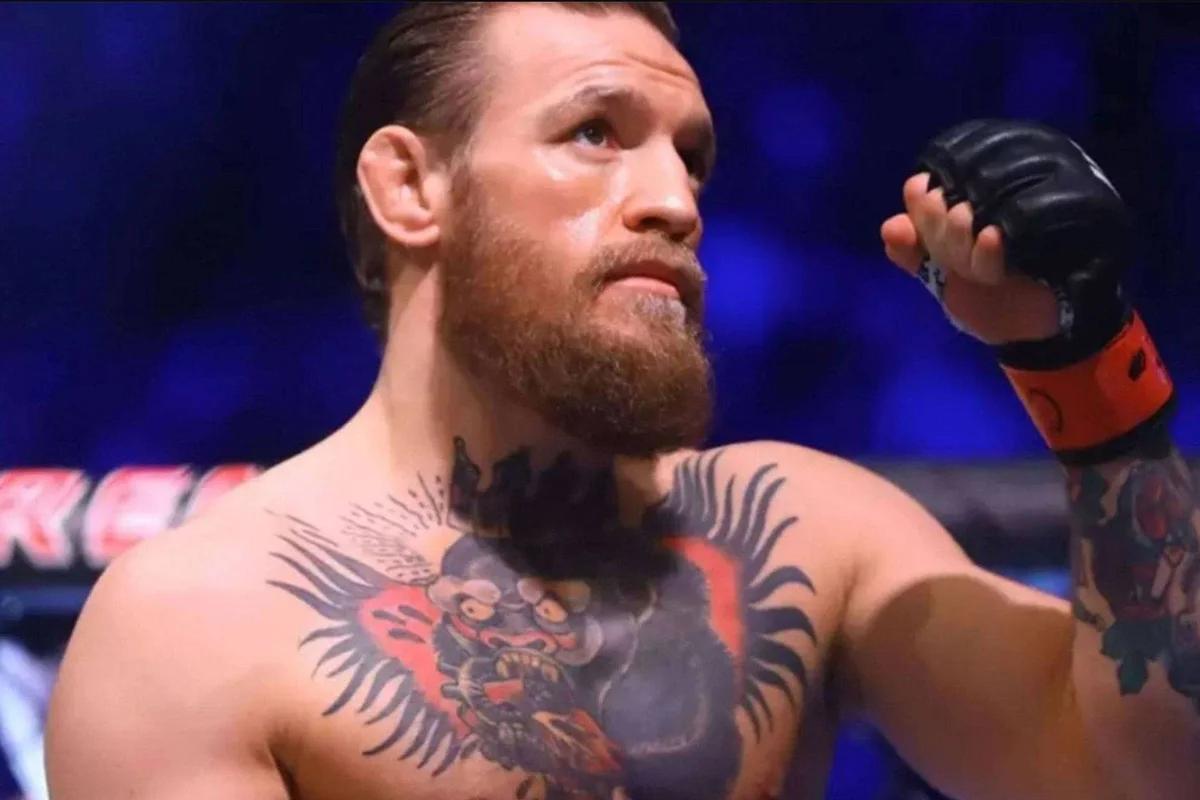
After nearly five years away from competition, Conor McGregor is closer to a comeback than ever before. UFC president Dana White has confirmed negotiations are underway for a potential return at UFC 329 in Las Vegas on July 11, with McGregor eyeing a surprising move to the welterweight division. The fighting world is holding its breath—because when The Notorious One returns, the entire sport shifts on its axis.
The Silence Before the Storm
Since July 2021, Conor McGregor has been absent from the UFC octagon. That last appearance ended badly—a devastating leg break suffered against Dustin Poirier at UFC 264 that sidelined him for an extended rehabilitation period. For someone accustomed to dominating headlines and headlines, the silence has been deafening. But silence in combat sports rarely lasts forever, especially when the biggest star in the game is healing.
The rumors have been swirling for months, whispers in gyms and backroom conversations becoming increasingly concrete. Now Dana White has taken the speculation from underground gossip to official acknowledgment. The organization is actively working on McGregor's return, and insiders point to UFC 329 in Las Vegas as the stage for his resurrection. What's particularly intriguing is McGregor's reported shift to welterweight—a move that signals both humility about recovery and strategic repositioning.
Five Names in the Ring of Possibility
The matchmaking puzzle facing the UFC is delicious. Who do you pair with a legend returning from years away? The answer matters enormously, both for McGregor's trajectory and the credibility of his comeback.
Max Holloway represents the most logical storyline. McGregor defeated Holloway back in 2013, but a decade has passed since that encounter. The fans have been demanding a sequel, a chance to see how these two have evolved. Holloway is no longer the hungry prospect McGregor faced—he's a veteran with his own legendary status, making a rematch carry genuine weight.
Charles Oliveira's name circulates with different energy. The Brazilian recently dominated Holloway himself, showcasing wrestling prowess that could pose genuine problems for McGregor. Yet that's precisely why the matchup intrigues—a comeback requires risk, and Oliveira represents legitimate adversity.
Jorge Masvidal and Dan Hooker offer a different flavor entirely. Both are strikers who thrive in exchanges, standing wars where precision and timing reign supreme. This suits McGregor's skillset, offering him the kind of stage where his striking genius can flourish.
Then there's Paddy Pimblett, the British prospect with growing star power. A European megafight between two transcontinental names would be a commercial juggernaut, exactly the kind of spectacle the UFC thrives on.
A Unique Legacy That Transcends Records
McGregor's place in combat sports history isn't built on statistics alone. Yes, his overall record might appear unremarkable on paper, but context transforms everything. He defeated Jose Aldo and Eddie Alvarez—legendary names—on his way to becoming the first fighter ever to hold two championship belts simultaneously. That achievement remains unmatched.
His losses, tellingly, came against other legends and elite competitors. Dustin Poirier, Nate Diaz, Floyd Mayweather—these aren't setbacks to ordinary rivals. They're battle scars earned against the absolute best. This is the hallmark of greatness: competing at such a level that even defeat carries prestige.
Beyond the octagon, McGregor continues generating stories. His willingness to reinvent himself, whether through unexpected boxing ventures or strategic repositioning, shows an athlete unwilling to accept diminishment. The man remains impossible to ignore.
Why July Changes Everything
The UFC understands exactly what it possesses in McGregor. His fights sell out arenas before tickets even become widely available. His name drives viewership into millions across multiple continents. In an era where streaming platforms compete fiercely for subscribers, McGregor remains a rare commodity—an athlete whose mere participation moves financial needles.
UFC 329 in Las Vegas isn't just another card. It's a potential watershed moment. The venue, the date, the opponent—every variable carries weight. McGregor's return, regardless of outcome, will reset conversations about the sport's present and future. It will attract casual fans and hardcore enthusiasts alike, the kind of universal appeal that transcends typical sports fandom.
The fighting world isn't simply waiting for July. It's holding its breath, wondering which version of McGregor will step into the cage, which opponent will face him, and whether the years away have diminished the magic or merely sharpened it.
**Bron:** Origineel artikel "Conor McGregor hint op comeback bij UFC 329"
McGregor's potential return represents more than athletics—it's a cultural moment. The fighter has always transcended sport, operating in a space where combat, entertainment, and personality blur together. Five years away is eternity in professional fighting, where youth and reflexes erode constantly. Yet McGregor's absence has only amplified his legend rather than diminishing it. The question isn't whether he can still fight—it's whether the comeback narrative, carefully constructed and strategically timed, will prove as compelling as the mythology surrounding it. For the UFC, it's a calculated gamble that the Irishman's return generates more value than risk.